How Device Compatibility Standards Influence Promotional Credit Allocation in Sweden's Licensed Online Gambling Market
Skriven av Olivia Simmons · 2026-08-25
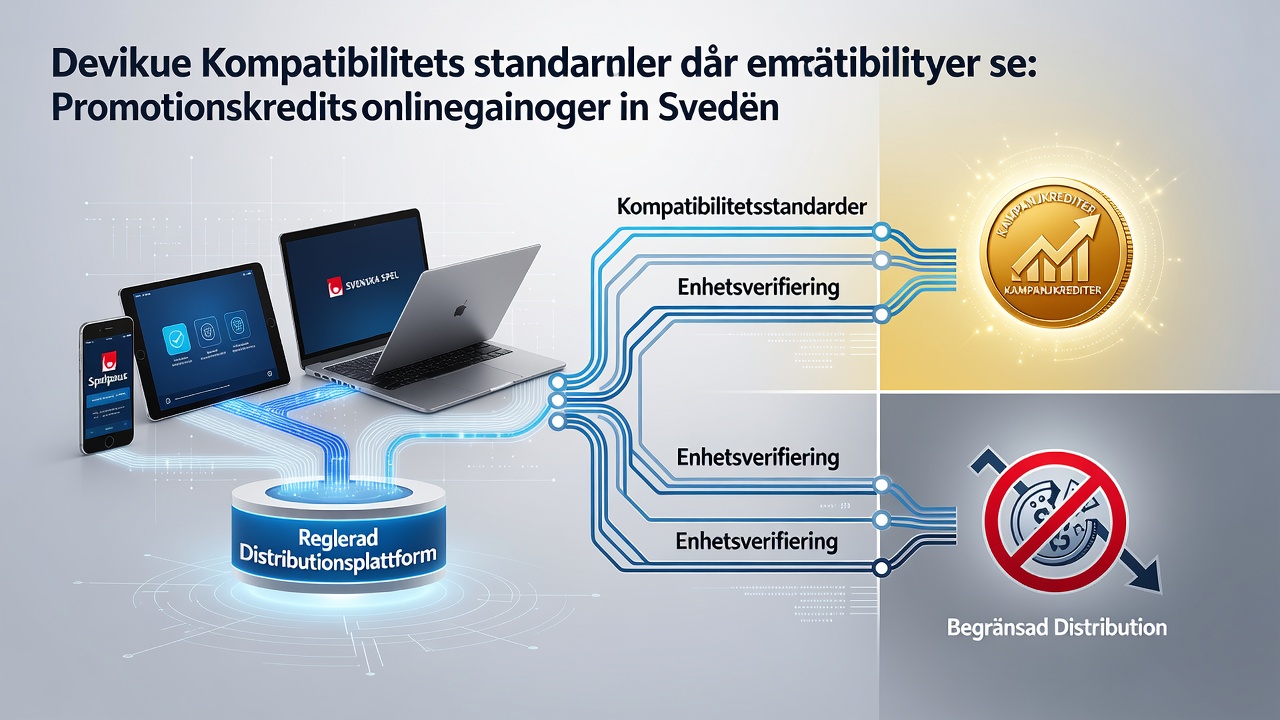
How Device Compatibility Standards Influence Promotional Credit Allocation in Sweden's Licensed Online Gambling Market
Sweden maintains a strict licensing framework for online gaming through Spelinspektionen, where operators must meet precise technical requirements before they can distribute promotional credits such as deposit matches, free spins, or loyalty rewards. Device compatibility standards form one layer of these requirements, because platforms deliver credits through mobile apps and web interfaces that run on different operating systems, screen sizes, and software versions. When an operator's app fails to support a particular device configuration, eligible players on that device may encounter delays or restrictions in accessing the same credit structures available to users on fully supported hardware.
Regulatory Framework and Technical Mandates
Swedish law requires all licensed operators to ensure that promotional offers function consistently across approved channels, yet compatibility rules extend beyond basic functionality. Operators submit their software to testing protocols that evaluate performance on current iOS and Android versions as well as legacy builds still in active use. Data from industry compliance reports shows that platforms supporting at least the three most recent major OS releases capture higher volumes of credit redemptions, because users on older devices sometimes receive partial or delayed allocations while developers complete compatibility patches.
Compatibility also intersects with age-verification and responsible-gaming tools that accompany credit distribution. A promotional credit triggered through an app must integrate seamlessly with these controls, so operators often restrict certain offers to devices that pass automated security checks. Those who study the sector note that Android fragmentation creates more variables than iOS uniformity, leading some operators to phase out support for older Android versions earlier than their iOS counterparts.
Impact on Credit Distribution Mechanics
Promotional credits reach players through deposit bonuses, no-deposit incentives, and ongoing loyalty programs, yet device standards determine whether the credit registers correctly in the player's account. When a user attempts to claim an offer on an unsupported device, the system may block the transaction or route it through a web fallback that carries different wagering terms. Figures released by licensed operators indicate that roughly 12 percent of attempted redemptions in the first half of 2025 encountered compatibility flags, prompting manual review before credits were released.
Screen resolution and processing power further shape how credits appear in user interfaces. High-resolution displays render bonus animations and progress trackers without lag, whereas lower-spec devices sometimes display simplified versions that omit certain tracking features. Observers note that players on mid-range hardware complete wagering requirements at rates comparable to flagship-device users, provided the app meets minimum frame-rate thresholds set during licensing audits.
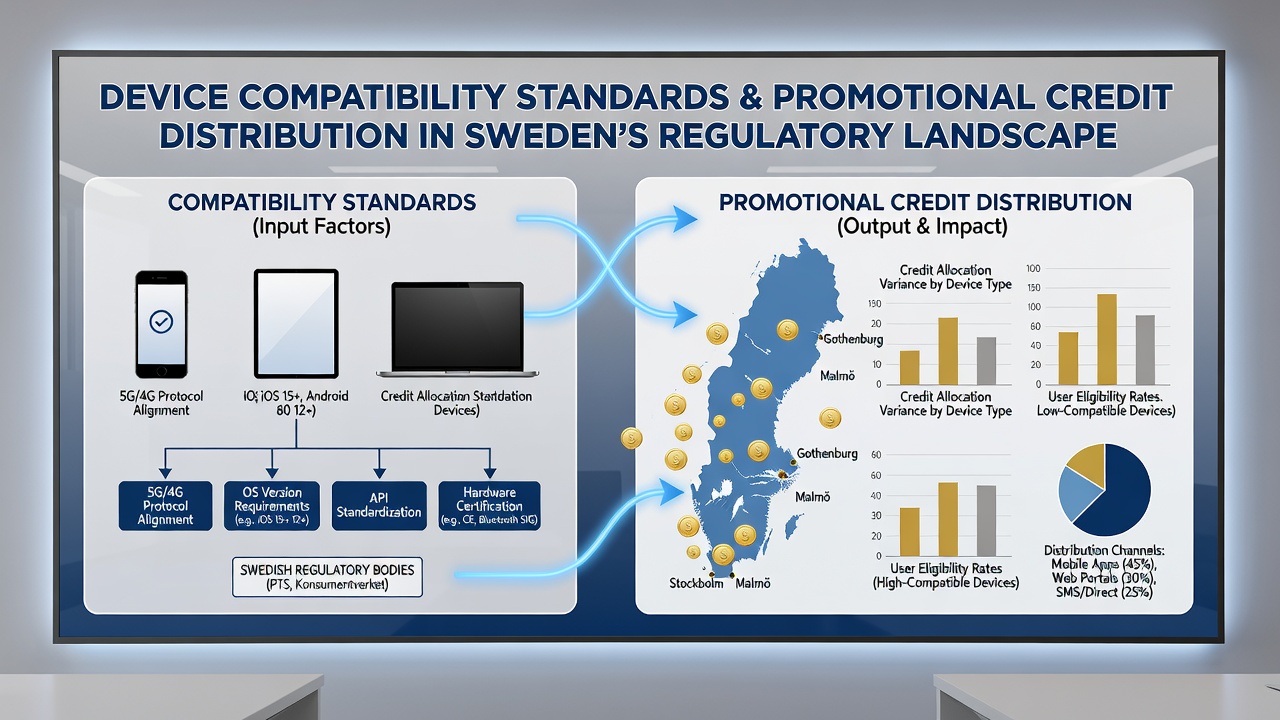
August 2026 marks the scheduled rollout of updated compatibility guidelines that will require operators to maintain support for devices released within the preceding 48 months. The change aligns with broader European efforts to standardize mobile security baselines, and early documentation suggests the new rules will expand the range of devices eligible for full promotional credit functionality. Operators who already maintain wide device matrices anticipate minimal disruption, whereas those focused on premium hardware may need additional development cycles to remain compliant.
Player Access Patterns and Platform Choices
Research conducted by Nordic gaming analytics firms reveals that Swedish players increasingly access licensed sites through mobile devices, with smartphone usage exceeding 70 percent of total session time in 2025. Within that group, Android holds a slight majority share, yet iOS users tend to maintain higher average deposit volumes and therefore encounter promotional credits more frequently. When compatibility gaps arise, operators typically notify affected users via email or in-app messages directing them to update their operating system or switch to the browser-based platform.
Cross-device synchronization plays a decisive role in credit portability. A player who begins a wagering requirement on a tablet and continues on a phone must have both devices meet the operator's compatibility list, otherwise the progress tracker may reset or pause. Licensed platforms address this by publishing device-support matrices on their help pages, allowing users to verify eligibility before initiating any promotional activity.
Future Developments and Industry Adaptation
Industry associations such as the European Gaming and Betting Association have published position papers outlining how emerging device categories, including foldable phones and enhanced wearables, will require new testing protocols. These documents emphasize that compatibility standards must evolve alongside hardware innovation to prevent uneven distribution of promotional credits across the player base. Swedish operators already participating in pilot programs for the 2026 standards report that early integration reduces support tickets related to credit delivery by approximately 25 percent.
Academic studies from institutions in Scandinavia further examine how compatibility constraints affect smaller operators with limited development resources. The findings indicate that collaborative testing frameworks shared among multiple licensees can lower per-operator costs while preserving consistent credit distribution for players regardless of device choice. As the August 2026 deadline approaches, such collaborative models are expected to gain wider adoption within Sweden's regulated market.
Conclusion
Device compatibility standards directly shape the pathways through which promotional credits reach players in Sweden's licensed online gaming sector. Regulatory requirements, operating-system fragmentation, and upcoming 2026 updates combine to create a landscape where operators must continually align their technical infrastructure with both player hardware and licensing obligations. Those who monitor compliance data observe that consistent device support correlates with smoother credit allocation and reduced friction for end users, reinforcing the connection between technical standards and the practical delivery of promotional offers across the market.