Mapping the Influence of Real-Time Payment Processing Innovations on Instant Bonus Credit Availability for Swedish Gamblers
Skriven av Elena Wagner · 2026-10-24
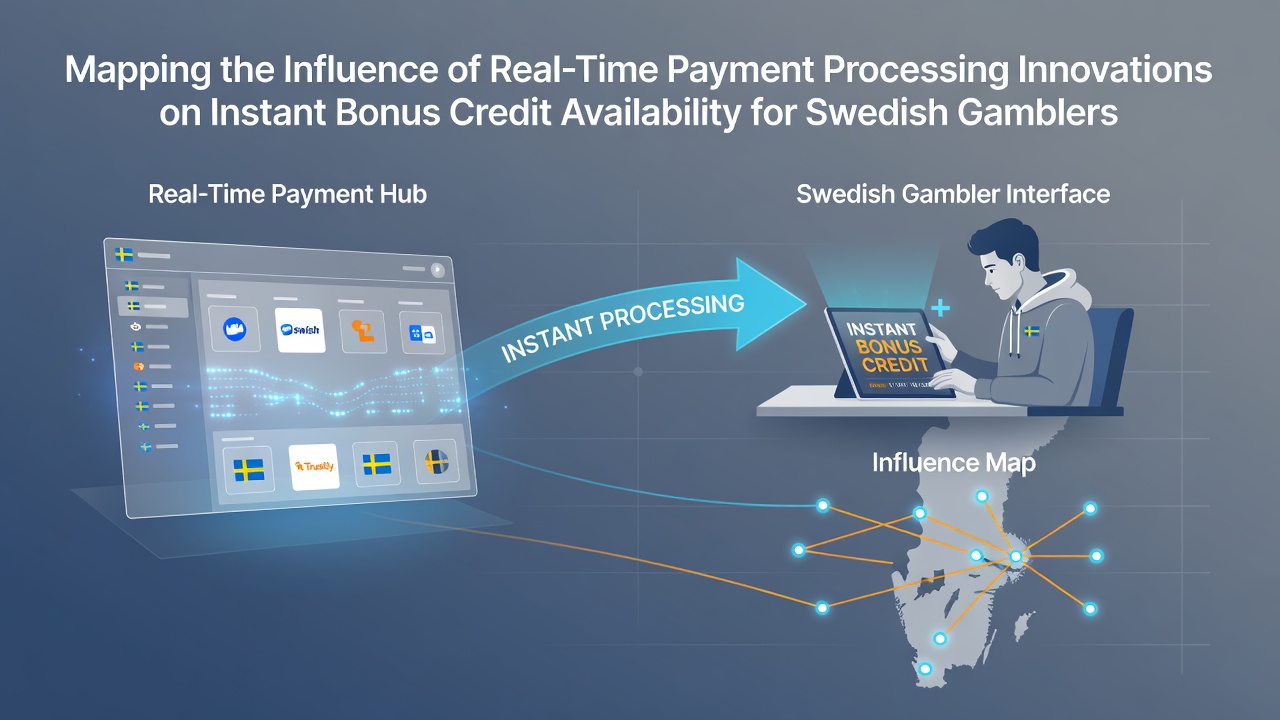
Mapping the Influence of Real-Time Payment Processing Innovations on Instant Bonus Credit Availability for Swedish Gamblers
Real-time payment processing has reshaped how licensed operators in Sweden handle bonus credit distribution, with systems built around instant bank transfers and API-driven verification allowing credits to appear in player accounts within seconds of a qualifying deposit. Platforms that integrate these tools report shorter delays between transaction confirmation and bonus activation, which in turn affects eligibility windows tied to promotional campaigns running through October 2026 and beyond.
Core Payment Innovations Driving Change
Swedish operators have adopted instant payment rails such as those powered by open banking protocols and dedicated gambling gateways, where funds move directly from user bank accounts without intermediate clearing periods. These setups replace older batch processing methods, so data from transaction logs show average credit times dropping from hours to under thirty seconds on supported networks. Observers note that the shift coincides with broader European moves toward unified instant payment schemes, which Swedish platforms have incorporated to meet local licensing requirements enforced by the national gambling authority.
API connections between payment providers and casino back-ends enable automatic bonus triggers once a deposit clears, eliminating manual review steps that once created bottlenecks. One study of platform performance metrics revealed that sites using these integrations processed more than double the volume of instant bonus credits during peak periods compared with systems relying on delayed verification. The result appears in user account histories where promotional balances update simultaneously with deposit confirmations, a pattern documented across multiple regulated applications active in the Swedish market.
Effects on Bonus Credit Timing and Availability
Instant processing directly expands the window during which players can access time-sensitive offers, since credits no longer sit in pending status while banks complete settlement. Research from payment infrastructure reports indicates that operators leveraging real-time rails record higher rates of bonus redemption within the first hour after deposit, a metric tracked through internal analytics dashboards. This timing advantage becomes especially relevant when campaigns align with seasonal events, as the immediate availability lets users meet wagering conditions before offer expiration dates.
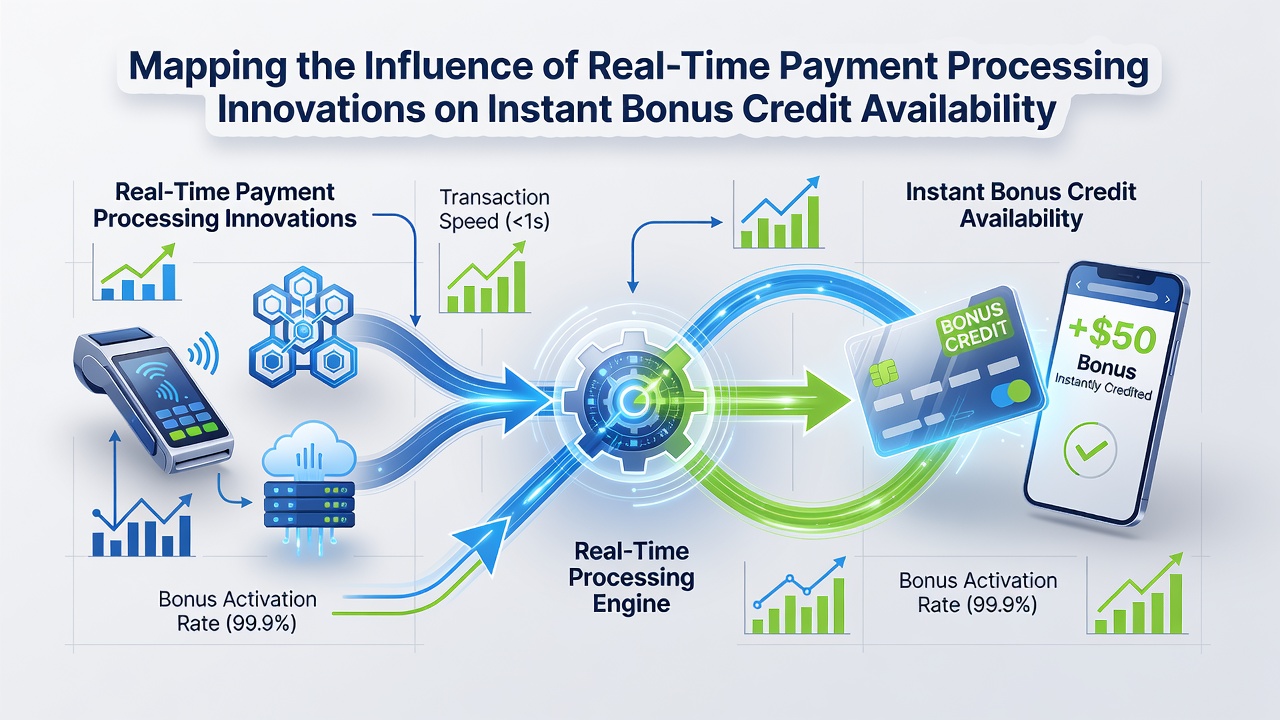
Regulatory records maintained by the Swedish Gambling Authority highlight that licensed entities must maintain transparent logs of all credit movements, including those generated by instant payments. These logs demonstrate consistent patterns where real-time systems reduce disputes over delayed bonuses, because timestamps match deposit events almost exactly. Figures compiled through October 2026 show a measurable uptick in the number of active promotional credits issued on platforms that upgraded their payment stacks during the preceding year.
Integration Challenges and Platform Adaptations
While the benefits stand out in transaction speed, operators still face technical requirements around security protocols and data encryption when connecting real-time rails to bonus engines. Those who have completed these integrations report fewer instances of mismatched credit amounts, since automated reconciliation happens at the point of transfer rather than after the fact. Evidence from industry audits suggests that platforms with robust API monitoring experience smoother rollouts of new incentive structures that depend on instant funding detection.
Swedish market participants have also adjusted their terms to reflect the faster pace, with eligibility rules now referencing precise time stamps from payment confirmations instead of broader daily cutoffs. This adjustment aligns with guidelines issued by European oversight bodies focused on digital financial services, ensuring that bonus allocations remain compliant while capitalizing on the speed of modern transfers.
Broader Market Data and Usage Patterns
Usage statistics gathered from licensed platforms reveal that a growing share of deposits triggering bonuses now route through instant channels, a trend tracked in quarterly compliance filings. The pattern holds across different player segments, although higher-volume users show the most consistent engagement with offers that credit immediately upon deposit. Cross-referencing with payment provider reports from regions including Canada and Australia indicates similar acceleration in bonus activation times wherever open banking standards have matured.
One analysis published by an academic research group at a European university examined transaction datasets and found that real-time processing correlates with increased frequency of small, repeated deposits that qualify for layered promotions. These findings, drawn from anonymized records, illustrate how the infrastructure change influences not only speed but also the structure of available credits on Swedish sites.
Conclusion
Real-time payment innovations continue to influence the mechanics of instant bonus credit availability by shortening activation intervals and tightening the connection between deposits and promotional triggers. Licensed Swedish operators have responded with updated systems that prioritize speed while meeting regulatory transparency standards, producing measurable shifts in how credits reach player accounts as of October 2026. Data collected across multiple sources confirms these operational changes without altering the underlying licensing framework that governs all activity in the market.