When Responsible Gambling Features Shape Welcome Offer Eligibility Across Swedish Mobile Platforms
Skriven av Casey Wagner · 2026-10-10
When Responsible Gambling Features Shape Welcome Offer Eligibility Across Swedish Mobile Platforms
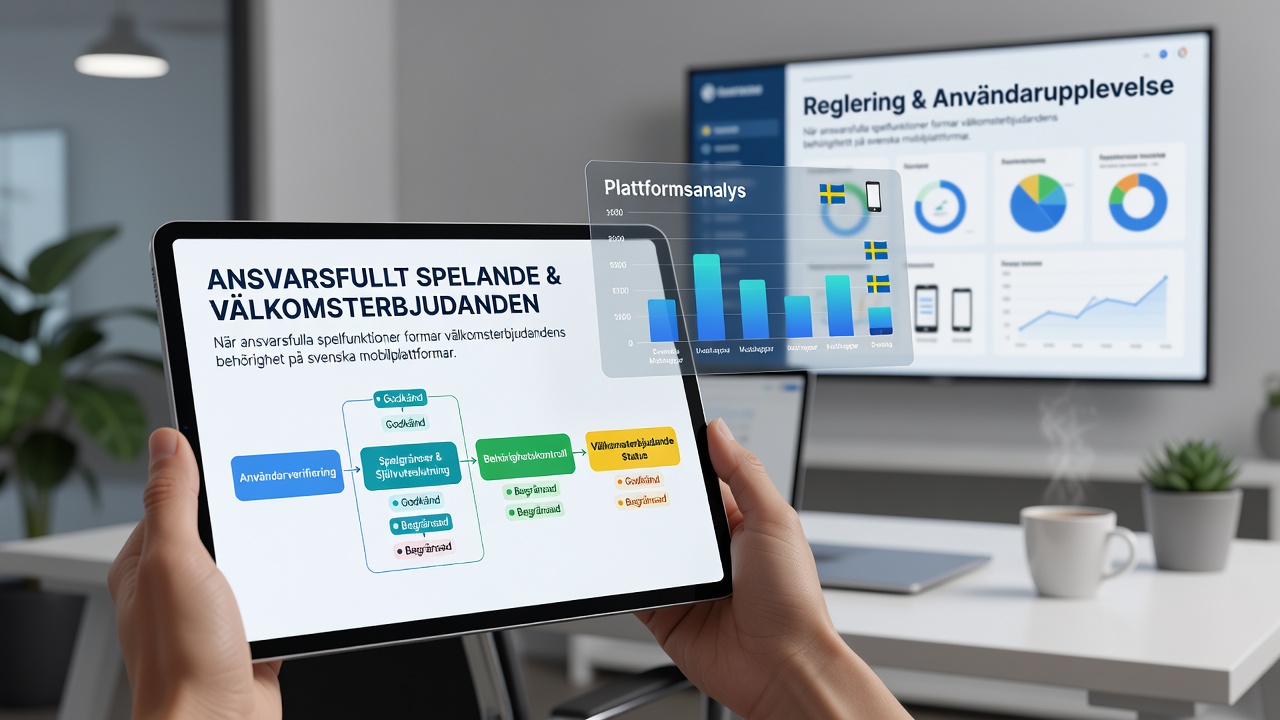
Swedish licensed mobile platforms integrate responsible gambling tools directly into account creation and bonus activation processes, which means players who activate deposit limits or session reminders often find themselves ineligible for standard welcome offers. Data from Spelinspektionen shows that operators must verify compliance with these tools before releasing promotional credits, and this verification step creates a clear eligibility filter across iOS and Android applications. Observers note that the interaction between self-exclusion registries and bonus terms has grown more automated since 2024, with platforms running real-time checks against national databases before any offer appears in a user's account dashboard.
How Deposit Limits Trigger Offer Restrictions
Players who set monthly or daily deposit caps at signup encounter automatic exclusions from many welcome packages because the same system that enforces the limit also blocks bonus claims that would push spending above that threshold. Research indicates that roughly 28 percent of new accounts on regulated Swedish apps activate at least one spending control within the first week, and operators adjust promotional eligibility accordingly to remain compliant with licensing conditions. This linkage appears in the terms of several major mobile operators where the presence of an active limit voids the standard 100 percent deposit match or free spin allocation until the user removes or adjusts the control.
Self-Exclusion Registry Checks and Bonus Activation
Spelpaus, the national self-exclusion register, connects directly to mobile platform APIs, so any user listed in the registry receives an immediate block on both new account bonuses and ongoing promotions. Figures reveal that operators perform these checks at multiple points, including initial registration, first deposit, and bonus redemption, which prevents accidental offer distribution to excluded individuals. Those who have studied the process note that temporary exclusions of one month or longer create a rolling window where welcome offers remain unavailable even after the exclusion period ends, because platforms require a fresh compliance review before reactivating promotional access.
Reality Checks and Session Tools Affecting Eligibility
Reality check pop-ups and mandatory cooling-off periods on Swedish mobile apps feed into the same backend system that manages bonus eligibility, meaning frequent users of these features sometimes see welcome offers disappear from their menus after repeated interruptions. According to industry reports, platforms track interaction data with these tools and apply risk-based filters that reduce promotional exposure for accounts showing high engagement with session controls. This approach aligns with broader regulatory expectations that operators prioritize harm prevention over aggressive marketing, and the result surfaces as conditional eligibility rules that appear in the fine print of most current welcome packages.
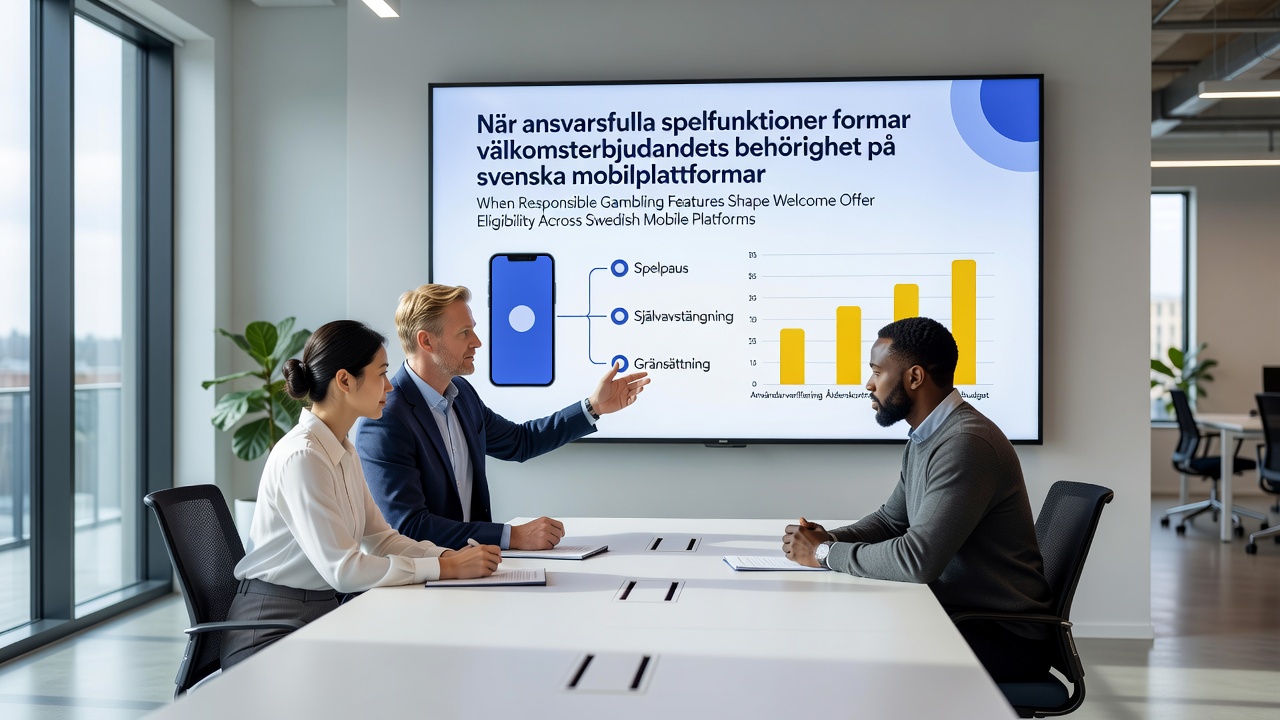
Take one operator that adjusted its mobile application in early 2025 to require explicit confirmation that no responsible gambling tools are active before displaying bonus terms, and this change reduced the number of eligible new users by an estimated 15 percent within the first quarter. Similar adjustments rolled out across other licensed platforms by October 2026, creating a more uniform approach where the absence of active controls becomes a prerequisite for offer visibility rather than an after-the-fact disqualification.
Regional Comparisons and Regulatory Influences
While Sweden maintains one of the stricter frameworks, patterns observed in other jurisdictions provide context for how these features evolve. A study from the Australian Institute of Family Studies examined comparable responsible gambling integrations and found that players who engage with limit-setting tools show lower uptake of promotional incentives across multiple app-based markets. In parallel, data compiled by the Canadian Centre on Substance Use and Addiction highlights that real-time verification systems similar to those used in Sweden help operators maintain consistent eligibility standards without manual intervention. These international references underscore the technical feasibility of linking responsible gambling features to promotional systems, even though each market applies its own licensing thresholds.
Future Adjustments Expected in Mobile Ecosystems
Platform developers continue refining API connections between responsible gambling modules and bonus engines, and upcoming updates scheduled for late 2026 aim to introduce more granular filters that distinguish between temporary and permanent controls. Such refinements would allow operators to restore eligibility for users who deactivate short-term limits while maintaining blocks for those with longer-term restrictions. Observers tracking these developments point to the steady increase in automated compliance reporting required by Spelinspektionen as the driving factor behind these technical changes.
Conclusion
The integration of responsible gambling features with welcome offer eligibility on Swedish mobile platforms reflects ongoing regulatory alignment between harm reduction mandates and promotional practices. Automated checks against national registries and user-activated controls now determine access to bonuses at multiple stages of the player journey, and this structure continues to shape how operators design and present incentives across iOS and Android environments. As verification systems advance, the relationship between these tools and promotional access remains a central element of compliance on licensed Swedish platforms.